What to Do in the First Ten Minutes of a Carpet Spill
The first ten minutes after a spill decide more about whether it comes out than anything a cleaning crew can do afterward.
September 14, 2026 · 4 min read
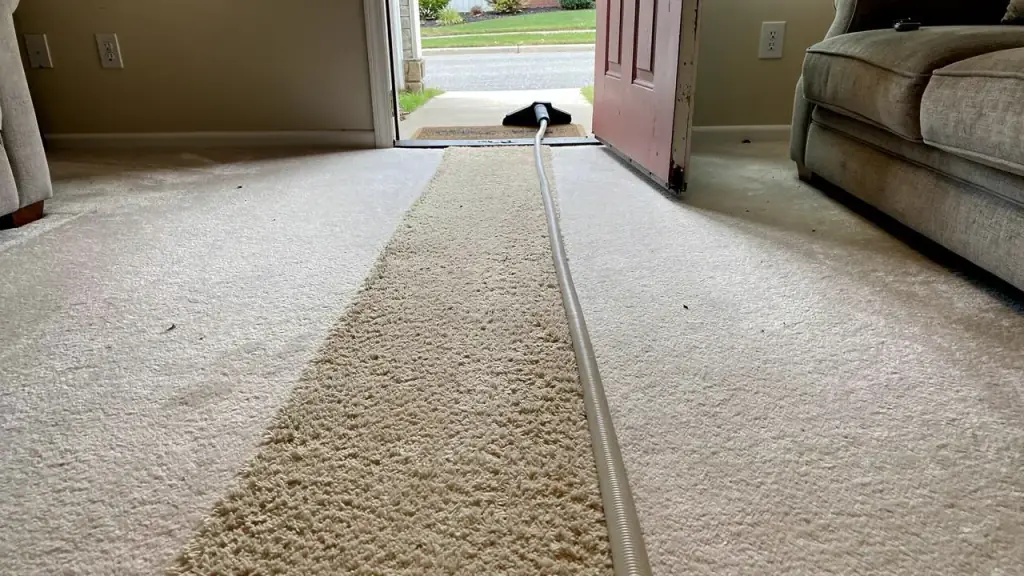
Most carpet stains that turn permanent were manageable in the first ten minutes. What happens in that window decides more than anything a cleaning company does afterward.
Blot, don't rub
Rubbing pushes the spill deeper into the pile and spreads it wider than it started, working it right down into the backing where it's much harder to reach. Blotting with a clean, dry cloth or paper towel lifts liquid back out the way it went in. Press down, hold for a second, lift, move to a clean section of the cloth, repeat. It's slower than rubbing and it works considerably better.
Work from the outside in
Start at the outer edge of the spill and blot toward the center, not the other way around. Blotting from the middle outward pushes the liquid further out and grows the stain past its original size. This matters most with anything that has color to it, coffee, wine, juice, where a bigger wet ring means a bigger stain to deal with later even after you've gotten most of the liquid up.
Cold water, not hot
Heat sets a lot of stains permanently, especially anything with protein or tannin in it. Cold water flushed gently into the spot, then blotted back out, keeps most stains workable. Hot water can feel like it's helping because it seems to dissolve the spill faster, but for coffee, wine, blood, and most food stains it does the opposite, and can lock the color into the fiber before anyone gets a proper clean at it. If you're not sure whether a fabric or carpet is colorfast, test any water or cleaner on a hidden corner first, like inside a closet or under a piece of furniture, before applying it to the visible spill.
Why the type of carpet fiber changes what you should do
Not every carpet responds to a spill the same way. Synthetic fibers like nylon and polyester are naturally more stain resistant and give you a bit more time to react, especially if the carpet has a stain guard treatment on it from when it was installed. Wool and other natural fibers absorb liquid faster and hold onto pigment more aggressively, which means the same ten minute window matters even more on a natural fiber carpet or a wool area rug than it does on a synthetic one.
What actually happens if a spill sits overnight
Once a spill dries, it's a different problem than a fresh one. The liquid has already worked its way into the fiber and, in some cases, into the backing, and whatever pigment or residue it carried has had time to bond rather than just sit on the surface. A spot that would have lifted easily with a damp cloth ten minutes after it happened can need actual cleaning equipment and the right chemistry once it's had all night to set. This doesn't mean an overnight spill is hopeless, it just means the easy window has closed, and it's worth treating it as a real stain rather than something you can still blot away.
Why the supermarket spot remover can make things worse
A lot of over the counter carpet spot removers work by chemically bonding with the stain to lift it, and some leave a sticky residue behind that acts almost like tape for dirt afterward, so the spot reappears dingier within a week even though it looked gone the day you used it. Others contain bleaching agents that lighten the carpet color right along with the stain, which isn't obvious under a kitchen light and very obvious once the room is bright. Reading the label rarely helps, since most of these products list what they're for but not what they leave behind chemically once the visible stain is gone. If a spill is bad enough that you're reaching for a chemical spot treatment, it's usually also bad enough to be worth a call instead.
Which spills need a professional, not a paper towel
Red wine, ink, permanent dye, and grease sit in a different category than most household spills. Red wine and ink both contain strong colorants that bond to carpet fiber quickly and respond badly to the wrong home remedy, including several that get repeated online as folk fixes. Grease coats the fiber rather than sitting in it, so water alone, hot or cold, won't shift it and can spread the coating wider while you try. For any of these four, blot up what you can, don't scrub, don't apply a home remedy you're not sure about, and get it looked at before it sets fully.
- Red wine
- Ink or permanent marker
- Fabric or craft dye
- Cooking grease or oil
None of this needs special equipment, just quick hands and the right instinct: blot, don't rub, cold not hot, and know which four spills are past what a paper towel can fix.
Brilliant Dry Carpet Care, (380) 285-7131
Call (380) 285-7131More articles
How Long Carpet Really Takes to Dry, and Why Ours Doesn't
Hot water extraction leaves more moisture behind than most people realize, and that moisture is exactly what brings old stains back days later.
Getting Pet Stains and Pet Odor Out of Carpet for Good
Pet odor usually lives in the carpet backing and pad, not on the surface, which is why sprays and powders only ever work for a day.